
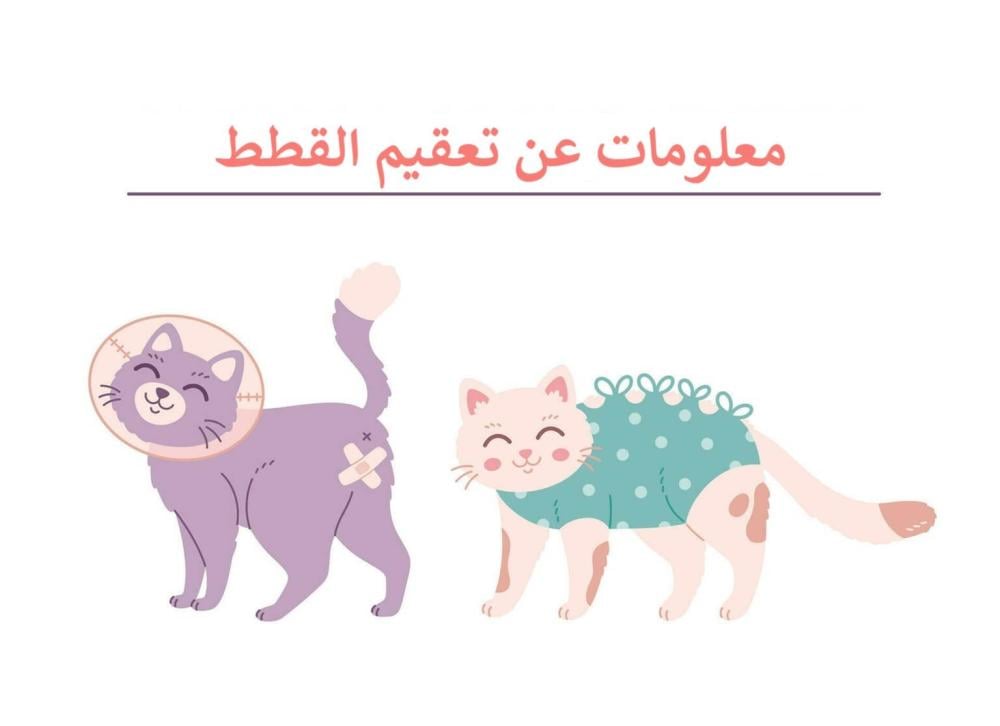
Raising cats is a loving and joyful experience, but it also comes with significant responsibilities regarding the health and well-being of these adorable creatures. One of the most important decisions cat owners face is spaying or neutering. Beyond being a way to limit unplanned breeding, it's a crucial step in ensuring a longer and healthier life for your pet.
Whether you are looking for information about cat sterilization to understand the health benefits, or wondering how much cat sterilization costs at the moment, in this article we will answer all your questions.
What is cat neutering?
It is a surgical procedure in which the reproductive organs of cats are removed. Sterilization is a very common procedure, and most cats return to their homes on the same day of surgery and recover quickly. The sterilization of cats aims to prevent reproduction and reduce unwanted growth, which contributes to reducing the number of stray cats and improving the health care of cats and the surrounding community.
Information about neutering cats:
The process of neutering cats represents a very important turning point in your cat's life. Make sure you have complete information about neutering cats before making this decision.
What is the difference between spaying male cats and spaying female cats?
Spaying female cats:
It involves the removal of the ovaries and uterus, although sometimes only the ovaries may be removed.
This is usually done through a small slit on the left side of the cat, and it can also be done from below along its middle.
The process of sterilizing male cats:
It is a surgical procedure in which the testicles, the primary source of testosterone production responsible for fertility, are removed . It is much simpler than in females and does not require any stitches.
Things to consider (before and after neutering cats)
Before the cat neutering process:
- Fasting: Your veterinarian will recommend that your cat fast, usually starting at midnight before surgery. You can usually continue giving your cat water. However, specific fasting requirements are determined on an individual basis, so it's always important to consult with your veterinarian.
- Medical examination: To ensure that the cat is in good health and does not suffer from any respiratory or viral diseases.
- Hygiene : Clean your cat's fur thoroughly and make sure it is free of fleas before going to the clinic.
After the cat spaying procedure (recovery period):
Providing a quiet place:
Designate a warm, low-light place away from noise for the cat to rest in until the effects of the anesthesia wear off, such as enclosed beds made of soft and comfortable materials, which are very suitable for cats at this stage.
Monitoring the wound:
Check the surgical site daily to ensure there is no swelling or bleeding, and use surgical collars to prevent the cat from licking the wound.
Identifying the activity:
Prevent the cat from jumping or rough play for 7 to 10 days to ensure the wound heals properly.
Nutrition:
Start by offering small amounts of water and food a few hours after she wakes up and monitor her appetite. Use food formulas specifically designed for neutered cats to ensure your cat receives all her nutritional needs after the neutering process. Food for neutered cats is fortified with protein and vitamins necessary to keep her active and healthy.
note:
If you notice any abnormal lethargy or refusal to eat for more than 24 hours, you should contact your veterinarian immediately.
Read also: The best types of domestic cats and their prices
What is the price of neutering cats?
Certainly, after learning about the sterilization process, it is also important to know how much the sterilization process costs, and the price varies depending on several factors:
- The timing of the operation in relation to the cat's age.
- The presence of infections or ulcers.
- The size and breed of the cat.
- The doctor's experience.
- The level of medical care at the veterinary center or clinic.
- Therefore, it is difficult to determine the price of the procedure, but the price of sterilization for females is usually higher than for males.
- The cat's gender (male/female)
How much does cat sterilization cost in Saudi Arabia?
The price of sterilization for males ranges from 161 to 200 Saudi Riyals, while the price for females ranges from 240 to 280 Saudi Riyals.
But it is not enough to know how much cat sterilization costs. You must also consider a comprehensive budget for all the products you will need before and after the cat sterilization procedure.
What are the benefits of neutering cats?
When researching information about neutering cats, we find that the benefits go beyond simply preventing reproduction; it is a long-term investment in the cat's quality of life and the stability of the home.
Health benefits:
For female cats:
Sterilization greatly reduces the risk of developing breast tumors and completely eliminates the risk of developing pyometra, a very serious and emergency condition.
For male cats:
It helps prevent testicular cancer and reduces prostate problems.
General immunity:
Neutered cats are less likely to contract infectious viral diseases (such as feline immunodeficiency) that are usually transmitted through bites and wounds during fights in mating seasons.
Behavioral benefits:
- The cat did not try to escape outside the house.
- Modifying the behavior of an aggressive cat.
- The cat stopped rubbing its genitals against surrounding objects.
- Do not urinate or defecate in a place not designated for the cat during mating periods.
What are the disadvantages of neutering cats?
1- Weight gain after spaying cats
One of the most common side effects after neutering cats is rapid weight gain, resulting from decreased activity levels and hormonal imbalances. Therefore, it is always advisable to consult a veterinarian to determine appropriate food portions and choose a diet that helps control weight without negatively impacting the cat's health.
Food products that help control weight
In addition to veterinary monitoring, specialized dietary plans such as the Hills Metabolic Weight Control Formula can be relied upon, which are characterized by:
- It helps support metabolism in a way that suits the needs of cats after sterilization.
- It helps maintain ideal weight and reduces the likelihood of regaining it.
- It gives the cat a feeling of fullness between meals.
- It supports general health and the urinary tract, reducing the risk of certain urinary crystal formation.
The product is available in both types at the Seventh Bird store :
Choosing the right food is an important step to maintaining a healthy weight and a more active life for your cat after spaying.
2- Reduced mobility, especially among males
After neutering, a male cat's desire to roam or escape in search of mating decreases, a natural behavioral change that helps reduce injuries and accidents.
3- Cessation of menstruation in females
Spaying leads to the cessation of the menstrual cycle in female cats, which is medically expected and intended, and contributes to reducing stress and behaviors associated with the estrous period.
Is there an alternative to neutering cats?
Information about cat sterilization indicates the importance of this procedure in reducing unwanted reproduction and improving the quality of life of cats, and confirms that it is a safe procedure when performed by a qualified veterinarian.
However, some breeders may look for alternatives to surgical castration, and several options emerge, but they are not entirely ideal and are used only in limited cases.
1- Sterilizing the tubes of female cats
This procedure involves blocking (with or without cutting) the fallopian tubes to prevent sperm from reaching the egg, without removing the uterus or ovaries.
This allows for the continued secretion of natural hormones, but:
- It does not prevent behaviors associated with the menstrual cycle.
- It increases the risk of developing uterine inflammation in the long term.
2- Vasectomy (tie-off) of male cats
This is done through a small surgical incision in the scrotum and tying off the seminal ducts, which prevents sperm from being released during ejaculation.
Although it is effective in preventing pregnancy, it:
- The testicles remain in place.
- Aggressive behaviors and mating urges persist as a result of continued hormone secretion.
3- Injected bio-pesticide (zinc gluconate)
It involves injecting a chemical compound into the testicular sacs to induce permanent sterility without surgery or anesthesia, and it is done in a short time.
But this method:
- It caused clear complications in dogs, and it's worth noting that cats are more sensitive than dogs to injected chemicals, which may lead to:
- acute inflammation
- Necrosis (tissue death)
- Severe pain after injection
- Its use has been discontinued in the United States.
- It is not considered a safe or reliable option for cats according to current veterinary recommendations.
4- Hormonal contraceptives
It targets the hormones responsible for pregnancy, but:
- Not officially authorized by drug safety authorities
- It may cause serious complications such as hormonal imbalances and uterine infections.
Therefore, although there are alternatives to sterilizing cats, traditional surgical sterilization remains the safest and most effective option in the long run, especially when performed under veterinary medical supervision.
Care supplies after spaying cats
All supplies and products that support your cat's health are available at the Seventh Bird store , including:
- Light, moist food suitable for the post-procedure period
- A balanced dry food to support recovery and weight maintenance
- Care and comfort products to ensure a safe and rapid recovery
This is where your cat’s integrated healthcare journey begins, with thoughtful choices and daily attention to her health and comfort.
Read also: How to treat gingivitis in cats
in conclusion
Now that you know about cat spaying and neutering, you're better equipped to make an informed decision about your cat's health and behavior. Understanding the differences between spaying female and male cats, and knowing the benefits and risks, will help you choose the right time and method.
Knowing the cost of neutering your cat and the factors that influence it allows you to plan the procedure and subsequent care effectively. Ultimately, neutering your cat is a responsible step that ensures a calmer and healthier life for your feline friend in the long run.
Frequently asked questions about cat spaying
At what age should cats be spayed or neutered?
It is preferable to sterilize cats at the age of 5 to 6 months before the start of the mating period, but sterilization can be performed at any later age depending on the health condition and the recommendation of the veterinarian.
How long does the cat neutering process take?
The sterilization procedure usually takes 10 to 20 minutes after general anesthesia, and most cats wake up quickly and can return home the same day.
Is the process of neutering cats dangerous?
Sterilization of cats is a safe and effective procedure when performed by a qualified veterinarian, and the rate of complications is low with adherence to the care instructions before and after the operation.
Do cats experience pain after neutering?
The cat does not feel pain during surgery due to general anesthesia, but may experience mild discomfort after waking up, which is controlled with medications prescribed by the doctor.
How long does it take for cats to recover after neutering?
Most cats need several days to two weeks to fully recover, and male cats usually recover faster than females.
When does a cat's wound heal after neutering?
The wound begins to heal within 7 to 10 days, and healing is usually complete within two weeks, with the cat being prevented from licking the wound or jumping during this period.
Can cats be neutered during the mating season?
Sterilization can be performed at any time, but it is preferable to do it before or after the mating period to reduce the difficulty of the surgery and potential complications.
What is the benefit of neutering cats?
Spaying cats helps prevent unwanted reproduction, reduces the risk of certain diseases, improves behavior, and gives the cat a calmer and healthier life.